
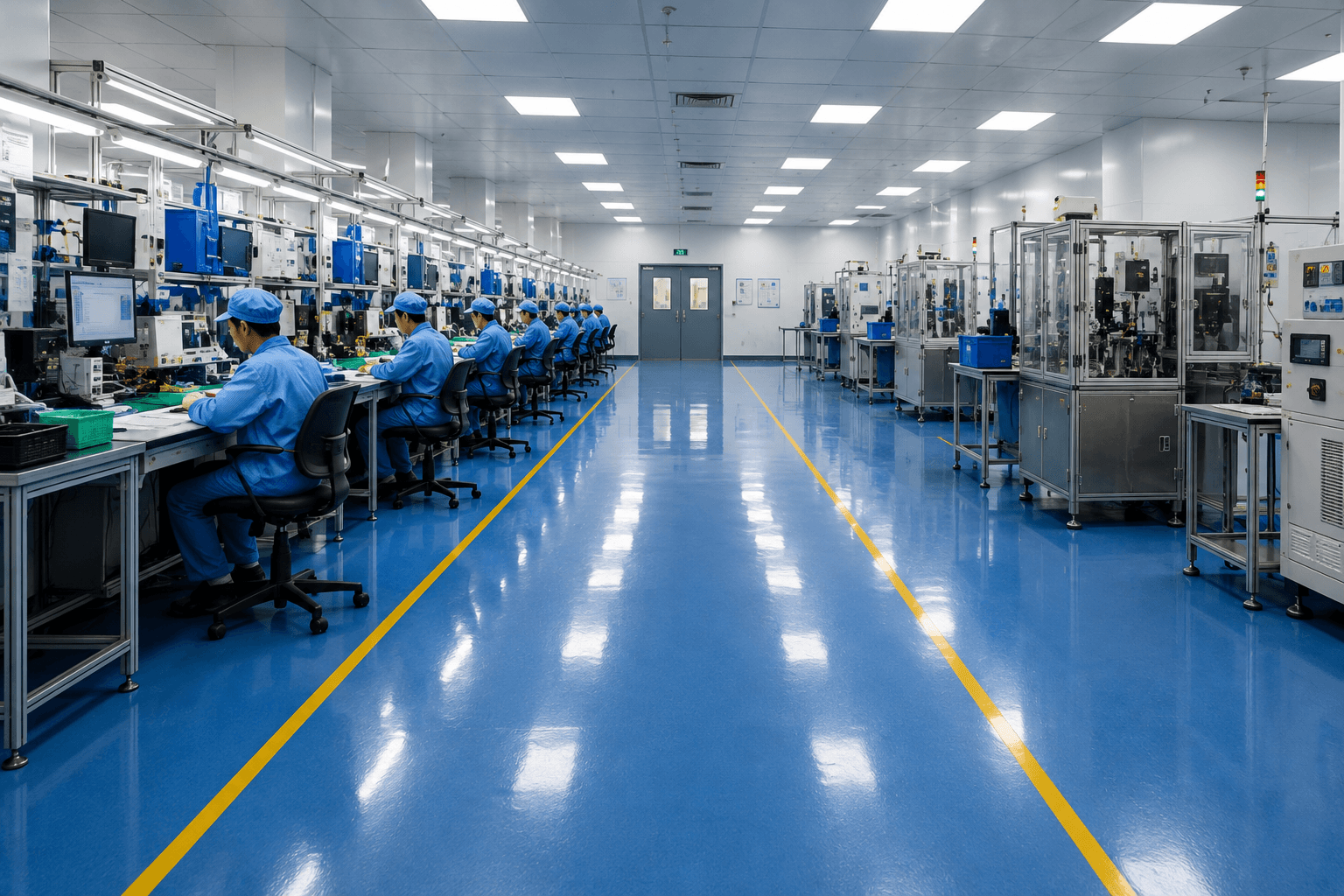
Static Dissipative (SDT) ESD Flooring Installation in Chennai
Static Dissipative (SDT) flooring provides controlled electrostatic discharge for facilities requiring reliable ESD protection without the extremely low resistance of conductive flooring. PUFlooring installs professionally tested static dissipative flooring systems across Chennai with complete grounding, resistance testing, and compliance verification.
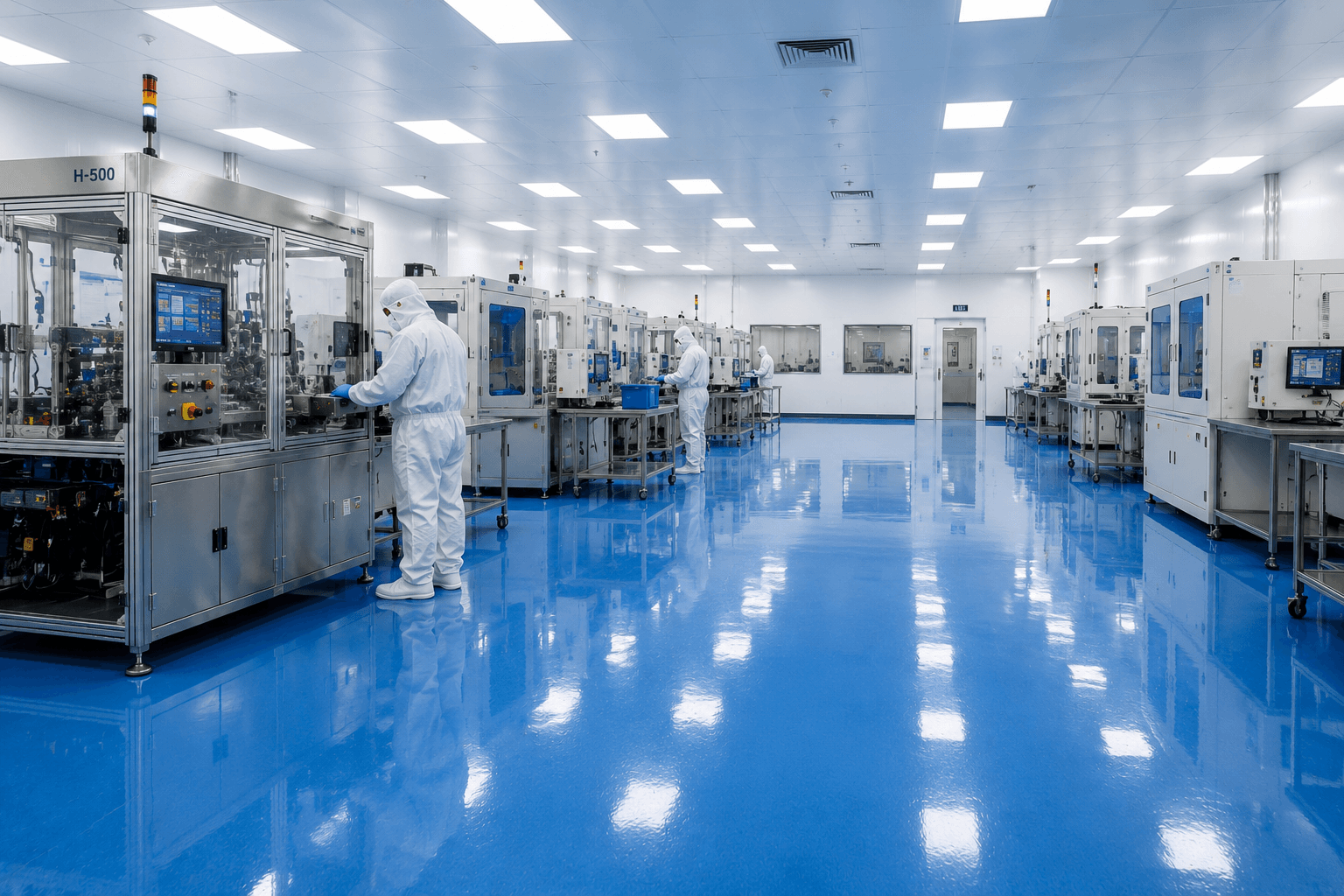
Controlled Static Protection
Designed to safely dissipate electrostatic charges in industrial environments.
Industry Tested
Resistance verified to meet project specifications before handover.
Personnel Safety
Provides controlled discharge while reducing shock risk during daily operations.
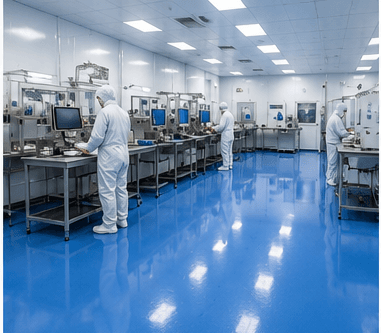
What Is Static Dissipative Flooring?
Static Dissipative (SDT) flooring provides a controlled path for electrostatic charges to safely dissipate to ground. With electrical resistance between 1 × 10⁶ Ω and 1 × 10⁹ Ω, it delivers slower and more controlled discharge than conductive flooring, making it suitable for a wide range of ESD-controlled environments.
Controlled Resistance
Electrical resistance between 1 × 10⁶ Ω and 1 × 10⁹ Ω provides safe and controlled static dissipation.
Reduced Shock Risk
Controlled discharge helps reduce incidental electrostatic shocks to personnel.
Reliable ESD Protection
Protects sensitive electronic equipment while maintaining safe working conditions.
Long-Term Performance
Designed to maintain consistent static dissipative performance throughout its service life.
Benefits of Static Dissipative Flooring
Static dissipative flooring provides dependable electrostatic protection while supporting personnel safety, equipment reliability, and compliance with international ESD standards.
Controlled Static Dissipation
Safely controls electrostatic discharge without excessively rapid grounding.
Personnel Protection
Lower discharge rates reduce electrostatic shock during routine operations.
ANSI/ESD S20.20 Ready
Supports ESD control programs across industrial and electronics facilities.
Industrial Durability
Seamless flooring designed for demanding manufacturing environments.
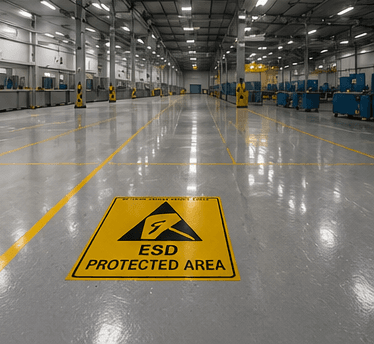
Where Static Dissipative Flooring Is Used
Static dissipative flooring is widely used across facilities where reliable electrostatic protection is required without the extremely low resistance of conductive flooring.


Electronics Manufacturing
General electronics assembly, testing, inspection, and component handling areas.
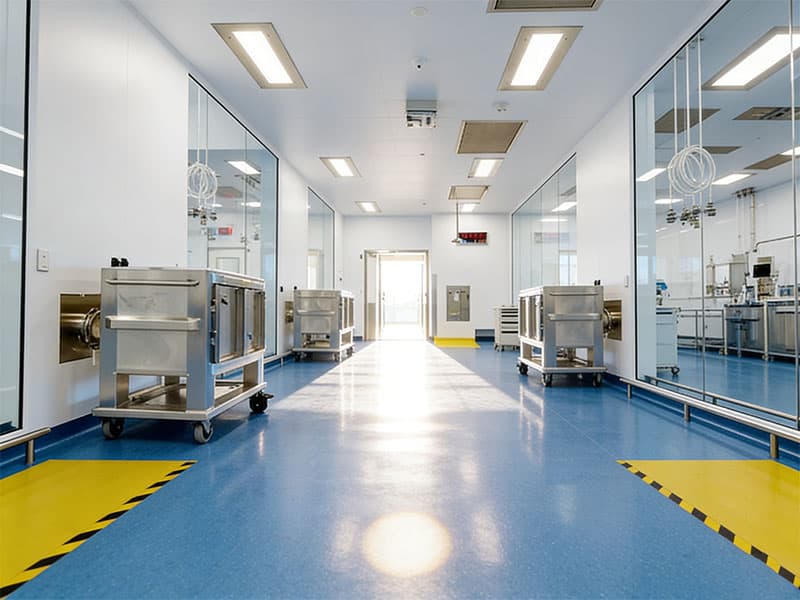
Pharmaceutical & Healthcare
Cleanrooms, laboratories, pharmaceutical production, and controlled environments.

Warehousing & Logistics
Storage areas handling static-sensitive electronic goods and components.
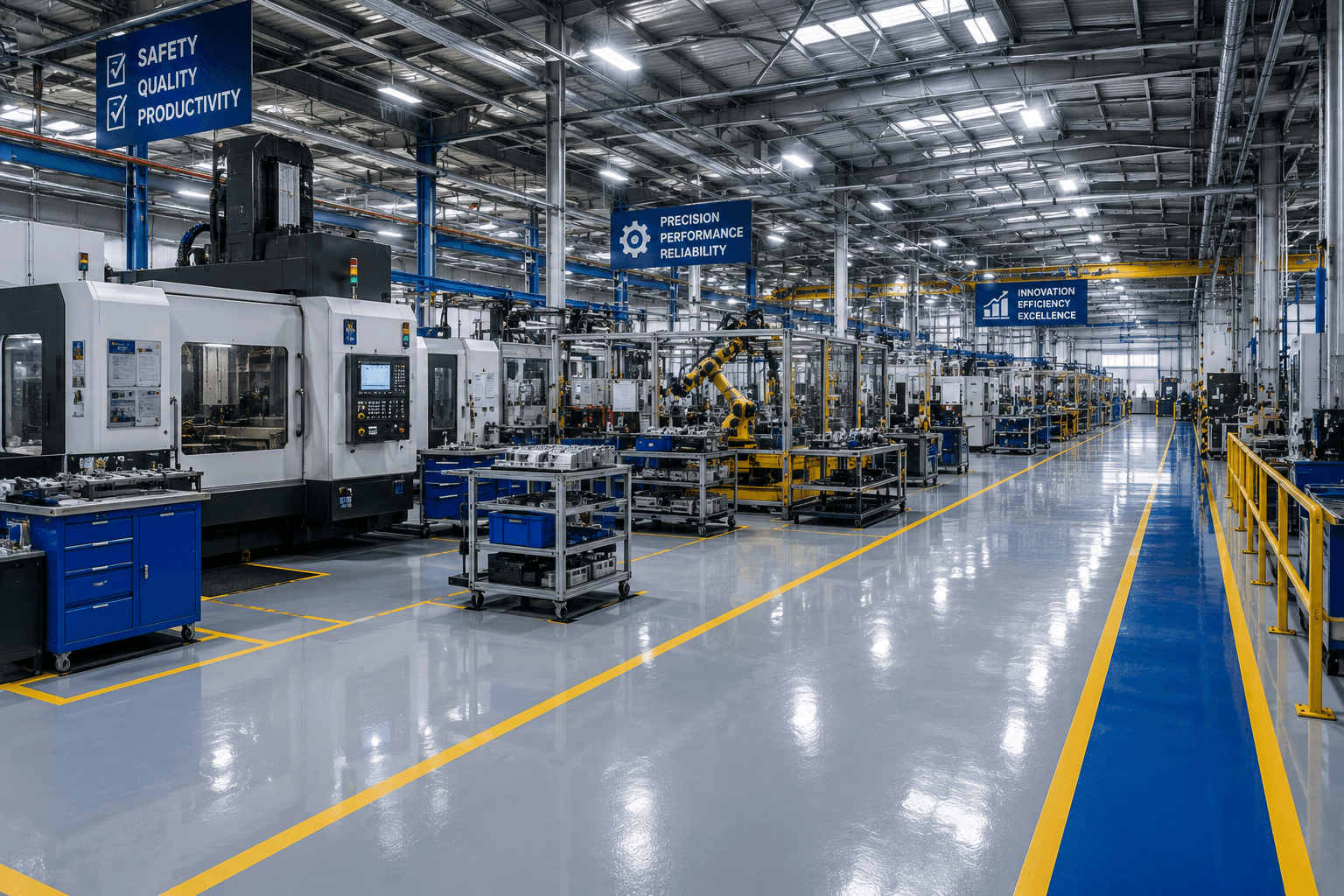
Manufacturing & Automotive
Control rooms, assembly areas, inspection stations, and production environments.
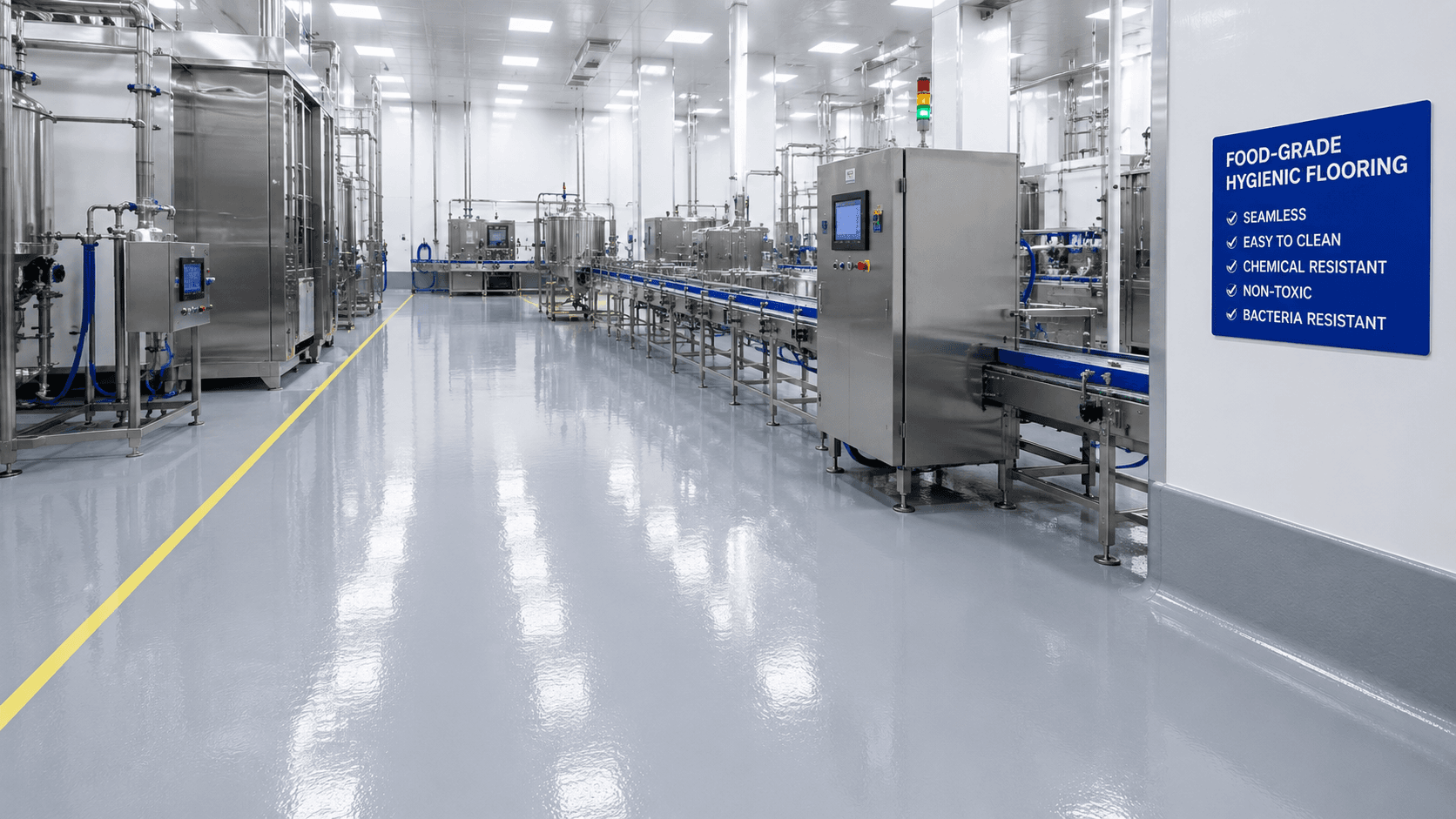
Food & Beverage Processing
Control rooms and automated production lines using sensitive electronic equipment.
Our Static Dissipative Flooring Installation Process
Each flooring installation follows a structured process to ensure long-term static dissipative performance and compliance with project requirements.
Site Assessment
Evaluate facility requirements, floor condition, and target resistance values.
Surface Preparation
Prepare concrete through grinding, repairs, and moisture evaluation.
Grounding Installation
Install copper grounding network connected to approved earth points.
Static Dissipative Flooring Application
Apply primer, dissipative flooring system, and protective finish.
Resistance Testing & Certification
Verify electrical resistance and system performance before project completion.
Static Dissipative vs. Conductive Flooring
The right flooring system depends on the sensitivity of your products and the level of electrostatic protection required.
Static Dissipative Flooring
Ideal for general electronics handling, laboratories, warehouses, and industrial production areas requiring controlled static discharge.
Conductive Flooring
Recommended for critical electronics assembly and highly ESD-sensitive manufacturing operations.
Our Recommendation
Facilities handling extremely sensitive electronic assemblies generally require conductive flooring, while most industrial, pharmaceutical, warehousing, and electronics production environments can effectively operate with static dissipative flooring.
Compare Conductive FlooringStatic Dissipative Flooring Cost Factors
Project costs depend on the required flooring system, substrate preparation, project size, grounding requirements, and resistance specifications.
Project Area
Larger flooring installations generally achieve better overall cost efficiency.
Substrate Preparation
Grinding, repairs, moisture treatment, and concrete preparation affect pricing.
Grounding Network
Copper grounding strip layout and earthing requirements.
Resistance Requirements
Specified resistance values and compliance testing requirements.
Facility Operations
Shutdown schedules, phased installation, and operational planning may influence costs.
Need an Accurate Estimate?
Every project begins with a free site assessment to determine the most suitable static dissipative flooring solution.
Get a Free Dissipative Flooring QuoteStatic Dissipative Flooring FAQs
Frequently asked questions about Static Dissipative (SDT) ESD flooring systems.
Static dissipative flooring typically provides electrical resistance between 1 × 10⁶ Ω and 1 × 10⁹ Ω.
It is widely used in electronics manufacturing, pharmaceutical facilities, warehouses, laboratories, control rooms, and industrial production environments.
Static dissipative flooring provides slower, more controlled discharge, while conductive flooring dissipates static much faster for highly sensitive electronics manufacturing.
Yes. When properly installed and tested, static dissipative flooring supports ANSI/ESD S20.20 ESD control programs.
Yes. Proper grounding through a conductive copper strip network is essential for correct ESD performance.
Yes. Every flooring installation includes resistance measurement and verification before project handover.
Need a Static Dissipative Flooring Solution?
Our specialists design and install static dissipative flooring systems for electronics manufacturing, pharmaceutical facilities, warehouses, laboratories, and industrial environments throughout Chennai.